 For centuries, when there was a war, the winning side would take the culture of the country they had beaten in the war, the art, the music, literature, and either incorporate it into their own culture or simply destroy it. This was done in addition to raping, torturing and murdering the losing population.
The Monuments Men — a group of American and Allied “soldiers”, most of whom were actually art historians, gallery owners and artists, not soldiers at all– were different. At the end of World War II, they went into Nazi-occupied areas, even into Nazi headquarters and private quarters of the Nazi elite, and not only rescued art and artifacts that the Nazis had systematically stolen from private citizens and museums in occupied territories, but they took the unprecedented step of returning these artifacts to the original, rightful owners, rather than simply keeping them for American or Allied museums which, traditionally, would have been their right as Victors.
Why is this important? Because there is no quicker way to destroy a people than to take away their cultural identity, and that identity is often expressed through Art. Throughout history, civilizations have been overthrown when a conquering race has suppressed the national identity. This is why so much of Central America is now in someway related to the Spanish, instead of wholly derivative of the native peoples of those beautiful lands. It’s why part of Canada is French Canada, and part is English, instead of the native Canadian Indigenous Peoples; and why the United States is predominately of English, Germanic and Dutch origin, and the Native Americans are such a small portion of the population.
Taking away a society’s art, books and stories is a way to demoralize them, to make them more compliant and less likely to fight back. Taking away Art takes away not only the identity, but the central reminders of identity, and with them, the will to remember the identity to fight for.
We need more people like the Monuments Men, and we seem to have them, now. All around the world, art museums and private galleries are returning artifacts to the countries and individuals they originally belonged to and the “finders, keepers” and “possession in 9/10ths of the law” mentality is going by the wayside, and rightly so.
For that, I believe we may have the Monuments Men to thank.
They were not the first to save art, of course. In America, during the War of 1812, when the White House itself was set on fire by the invading British, First Lady Dolley Madison refused to leave her burning, historical home until certain artifacts, including a famous portrait of first U.S. President George Washington were safe. She believed her life was less important than these artifacts of American identity.
After the Napoleonic wars, when Paris was full of the plunders from Napoleon’s invasion, Wellington insisted that all the art was returned to the original owners, which was done at great expense to France. The same idea as the end of World War II, but Wellington put the burden for the return of these plundered artifacts on the loser, where as in World War II, the victors considered it their own responsibility. It was not considered a punishment for the defeated Germany, but a moral imperative for the victorious Allies. If this War had been, as the Allies always maintained, a Just War to fight, then was it not right that the Allies act Justly in victory?
We need to use this example to remind ourselves that every culture is valuable and should be valued; that differences should not be erased, but celebrated; and that the glory of other nations should be admired, not envied.
In such small ways, is Peace encouraged.

Van Gogh’s sunflowers

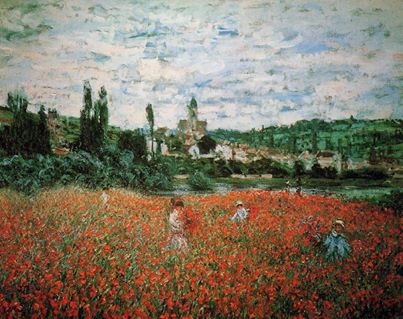
Monet’s water lilies



 image from onajourneybacktoherwings.blogspot.com
  image from http://www.youtube.com –






 idealisticrebel