The Gender Wage Gap Continues


October-07-15

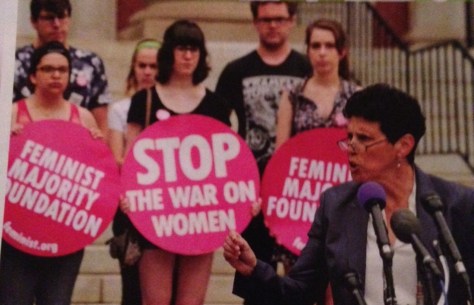
Study Finds US Gender Wage Gap Persists

Data compiled by the US Census Bureau this week once again demonstrates a gender wage gap, showing that American women who work full-time, year-round jobs on average earn 79 cents for every dollar paid to men. This loss in wages amounts to an average of $10,762 annually for white women, and is significantly greater for women of color.

The data, analyzed by the National Partnership for Women and Families, reveals women with full-time, year-round employment receive far less than their male counterparts, earning roughly $39,621 yearly compared to men whose wages exceed $50,000. The pay disparity is even greater for women of color. Overall, African American women earn just 60 cents on the dollar and Latinas a mere 55 cents.

The need to close the gender wage gap could not be more critical. Not only do women comprise nearly half of the paid work force in the US, but they also head more than 15.2 million households, 4,658,047 of which fall below the poverty line. With the additional $10,762 annually in found wages, women breadwinners would earn enough money for approximately 83 more weeks of food, over a year’s worth of rent and an extra 4,635 gallons of gas.

That gap is even starker for women of color. Full-time working African American women earn an average 60 cents for every dollar paid to a white man, and Latinas earn a startling 55 cents. These gaps amount to losses of tens of thousands of dollars for women each year.

“This study confirms that a punishing wage gap persists for women in every corner of the country and the costs for women, their families and our national and state economies are significant,” said Debra L. Ness, president of the National Partnership for Women and Families. “America’s women and families- and our nation- cannot afford to wait any longer for the fair and family friendly measures that would help.”

Media Resources: Media Resources: US Census Bureau 9/16/15; National Partnership Data; National Partnership Press Release 9/16/15; Feminist Newswire 9/1/15

© Feminist Majority Foundation, publisher of Ms. magazine


bjwordpressdivider


IMG_2113

Nights in White Satin


This song always reminds me of Sundays; I’m not sure why.  It’s composition and lyrics are simply divine, a beautiful example of Orchestral Rock.  This is my Sunday gift to you, and I hope you all enjoy it.

Namaste,

Barbara


bjwordpressdivider


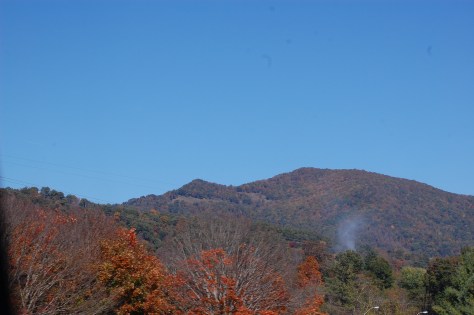
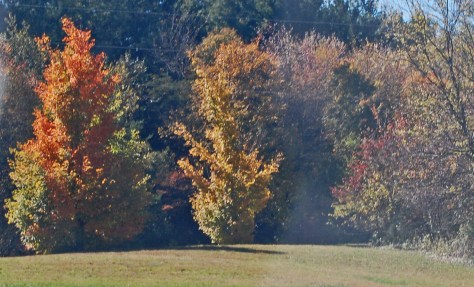
Great Smokey Mountains


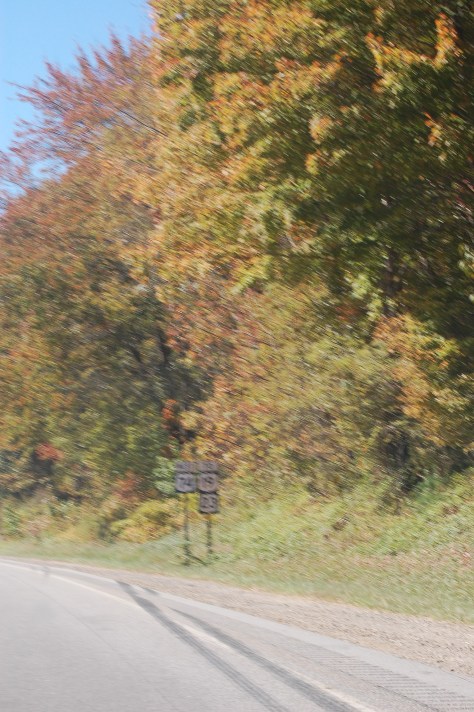
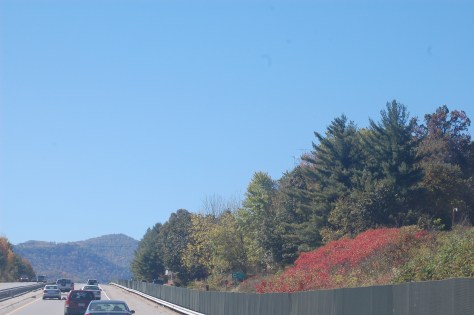
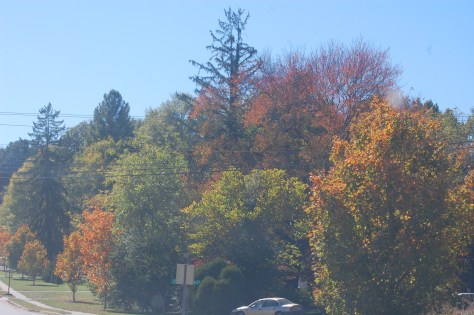
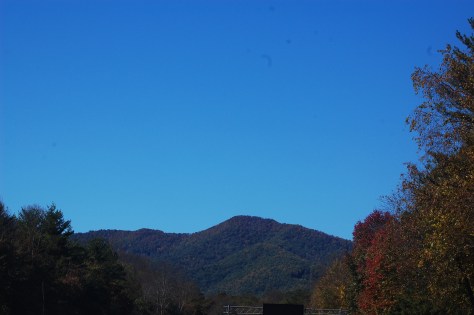
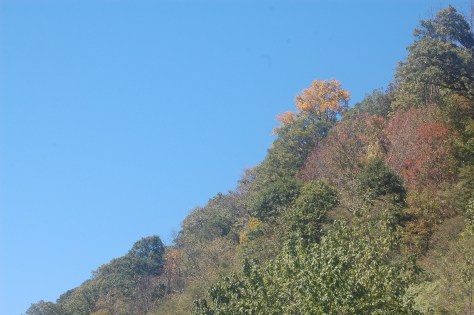
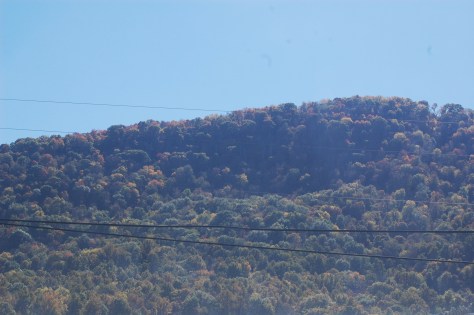
Had friends visiting from Indiana, and here as some pictures I took, from a moving car, as we drove to Waynesville, NC.


These are the Great Smokey Mountains.


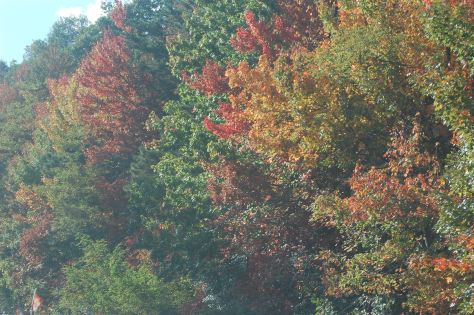
Leaves in Motion (from a speeding car) Photograph & Copyright Barbara Mattio 2015

Leaves in Motion (from a speeding car)
Photograph & Copyright Barbara Mattio 2015


Changing Leaves from the Road Photograph & Copyright Barbara Mattio 2015

Changing Leaves from the Road
Photograph & Copyright Barbara Mattio 2015


Autumnal Beauty Photograph & Copyright Barbara Mattio 2015

Autumnal Beauty
Photograph & Copyright Barbara Mattio 2015


mountain and leaves contrast corrected

Cloudless Mountain Sky Photograph & Copyright Barbara Mattio 2015


Changing Leaves on Hillside Photograph & Copyright Barbara Mattio 2015

Changing Leaves on Hillside
Photograph & Copyright Barbara Mattio 2015


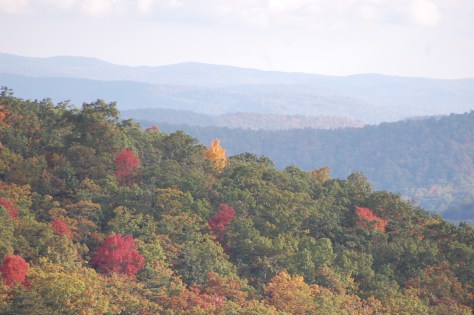
Great Smokey Mountains across the horizon Photograph & Copyright Barbara Mattio 2015

Great Smokey Mountains across the horizon
Photograph & Copyright Barbara Mattio 2015


Great Smokey Mountains - A Literal Interpretation Photograph & Copyright Barbara Mattio 2015

Great Smokey Mountains – A Literal Interpretation
Photograph & Copyright Barbara Mattio 2015


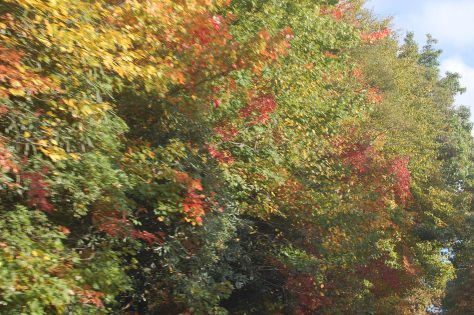
Turning of the Leaves Photograph & Copyright Barbara Mattio 2015

Turning of the Leaves Photograph & Copyright Barbara Mattio 2015


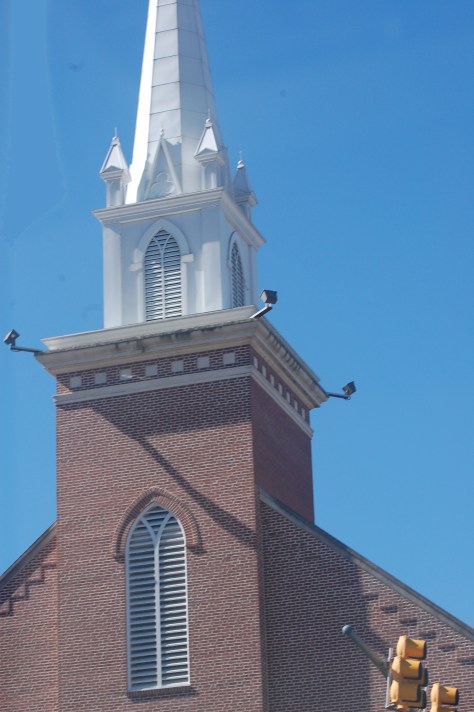
Church Steeple, Waynesville, NC

Church Steeple, Waynesville, NC Photograph & Copyright Barbara Mattio 2015

Domestic Violence Must End


You Can Help End Domestic Violence

You Can Help End Domestic Violence

According to the US Department of Housing and Urban Development domestic violence is the third leading cause of homelessness among families. If a couple has a violent argument in the home, it is usually the woman and children who flee. They flee with little but what is on their backs. This is another reason why Domestic Violence Shelters are so important. They can place the women and children into temporary housing. Most can then also help them to find housing for her and the children. In my long experience I have never known a man to leave unless he is the victim.
Survivors of domestic violence face higher rates of depression, sleep disturbances, anxiety, flashbacks (PTSD) and other mental disturbances. Many are too ashamed of being beaten to go to a doctor or mental health worker and ask for help.

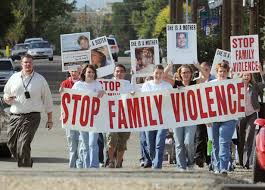
Stop Family Violence

Stop Family Violence

Domestic Violence contributes to poor health in survivors. Chronic conditions such as heart disease, gastrointestinal disorders can become more serious due to repeated battering. Fear and anger build up in the victim and the stress can lead to other health issues.

Among women brought to an Emergency Room after being beaten, were socially isolated, and had fewer social and financial resources than women who were not abused. Part of the emotional abuse is social isolation. The victim is cut off from friends, family, therapists, neighbors because the abuser needs to have total control over the victim. Abusers don’t want women to hear there is a place to go and get help. i often would put the hotline number on a piece of paper and pass it to the victim without being seen. Each city has a hotline number and you can help save a life by getting the number and gently putting it into a woman’s hand.

Without help, girls who witness domestic violence are more vulnerable to abuse when they are teens and young adults. Without help, boys who witness domestic violence, are far more likely to become abusers of their partners and/or children as adults. This continues the cycle of violence into later generations.


There is Never a Reason to Hit Another Human Being

There is Never a Reason to Hit Another Human Being


bjwordpressdivider

Guns and Domestic Violence


Originally posted at Ms.Blog, msmagazine.com

The impact of gun violence on victims and survivors of domestic violence cannot be overstated. The statistics are chilling: Approximately 2 out of every 3 domestic violence homicides are committed with firearms; the presence of a firearm in a domestic violence situation increases the likelihood of homicide by at least 500 percent. At least 44 percent of mass shootings are domestic violence-related, and 61 percent of all femicides committed by men wielding guns in 2013 were related to domestic violence .

These statistics are only the most publicized, easily quantifiable manifestations of the intersection between domestic violence and firearms. Guns are used to terrorize far more often than they are used to kill. A survey by the National Domestic Violence Hotline found 16 percent of respondents’ abusers owned firearms. Of respondents whose abusers owned guns, 67 percent percent believed their abusers were capable of killing them.

These statistics are staggering, yet they are more than numbers—they are people. My colleague, Rob Valente at the Hotline, quotes two survey respondents. One respondent disclosed that her husband owns over 100 guns. She never knows where the guns are, or how many guns he is carrying at any given time. Another respondent tells of repeatedly waking up at night to the sound of her abuser releasing the safety on the gun he is holding to her head.

Recognizing the role of firearms in domestic violence, Congress passed the Lautenberg Amendment prohibiting people convicted of misdemeanor domestic violence or people subject to permanent domestic violence protective orders from owning firearms. In enacting this prohibition, Congress took into account two important factors that differentiate domestic violence from other forms of violence: 1) Domestic violence misdemeanors are frequently pled down from felony charges and involve felony-level violence; and 2) Domestic violence is a pattern of behaviors rather than a single incident, so there is a high likelihood an abuser will reoffend.

Although the Lautenberg Amendment saved countless lives, it is no longer adequate; society has changed and the law must be updated to reflect these changes. Under existing law, the definition of domestic violence only includes abuse perpetrated by a current or former spouse, cohabitant or biological co-parent. Dating abuse does not trigger the firearm prohibition, despite the fact that current or former dating partners commit approximately half of all domestic violence homicides. Likewise, people convicted of misdemeanor stalking are not prohibited from owning firearms, although stalking is a key indicator of lethality; a 10-city study found that 76 percent of women killed by intimate partners were stalked before being murdered, and 85 percent of women who survive murder attempts were stalked.

Democratic Sen. Amy Klobuchar’s Protecting Domestic Violence and Stalking Victims Act of 2015and its companion bill from Reps. Debbie Dingell (D-Minn.) and Robert Dold (D-Ill.), Zero Tolerance for Domestic Abusers Act, expand the existing domestic violence prohibitor to include dating abuse and stalking. These narrowly focused domestic violence bills could save countless lives without infringing on the Second Amendment rights of law-abiding Americans. We at the National Coalition Against Domestic Violence, our colleagues at other organizations, advocates across the country, victims and survivors call on Congress to demonstrate their commitment to ending domestic violence by passing these two bills. The time for talk is over—it is time to take a stand!


bjwordpressdivider


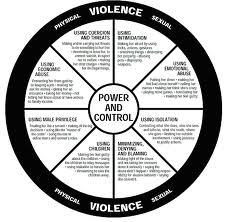
If a man or a woman stays in a violent home, their life will continually rotate around the cycle of violence. Help is available. Look at this cycle and see if it is familiar to you.

If a man or a woman stays in a violent home, their life will continually rotate around the cycle of violence. Help is available. Look at this cycle and see if it is familiar to you.

Remember That


Often when victims are beaten, they are hesitant to tell others. Especially men. If you know someone who has bruising, their partner is controlling, or they seem afraid a lot, find the phone number of your shelter and give it to them privately on a piece of paper. You just may save a life.

Namaste

Barbara


bjwordpressdivider


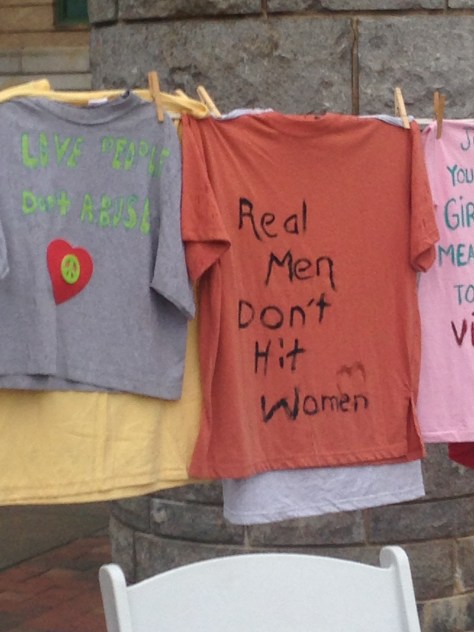
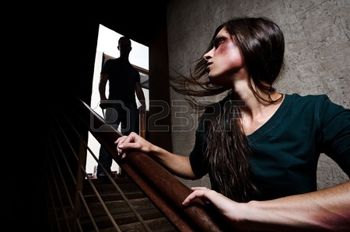
Real Men Don't hit Women

Real Men Don’t hit Women   Photograph and copyright by Barbara Mattio 2015

A Journey Down the Road


Yesterday was such a beautiful day. It was like summer here in the mountains. Of course, it is frequently like that. The sky was Carolina blue with big white cumulus clouds overhead.

So Amy and I started a journey on the Blue Ridge Parkway. I decided to take photographs, no surprise, I am sure. So what follows is a pictorial record of our journey and the colors that are beginning to come to the tops of mountains. I hope you enjoy our trip. I wish you all a fabulous week.

Namaste

Barbara


bjwordpressdivider


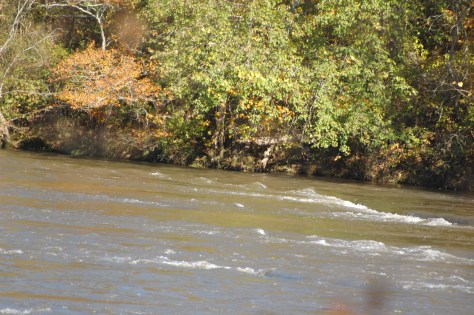
The French Broad River before we got on the Parkway. Photograph and copyright by Barbara Mattio 2015

The French Broad River before we got on the Parkway. Photograph and copyright by Barbara Mattio 2015


The Blue Ridge Parkway Photograph and copyright by Barbara Mattio 2015

The Blue Ridge Parkway
Photograph and copyright by Barbara Mattio 2015


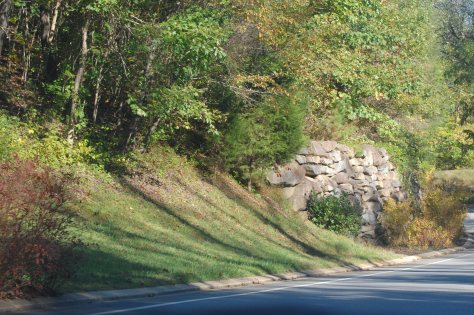
The road is cut out of rock in some places. Photograph and copyright by Barbara Mattio 2015

The road is cut out of rock in some places. Photograph and copyright by Barbara Mattio 2015


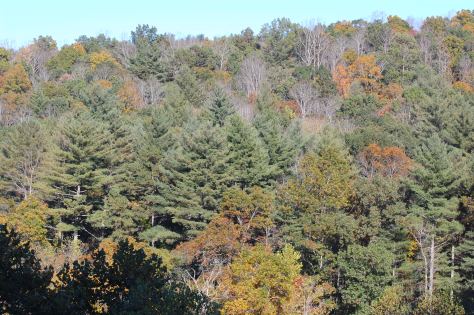
The colors are just beginning to show and there are so many shades of green. Photograph and copyright by Barbara Mattio 2015

The colors are just beginning to show and there are so many shades of green. Photograph and copyright by Barbara Mattio 2015


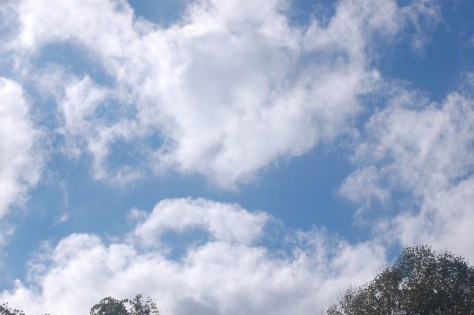
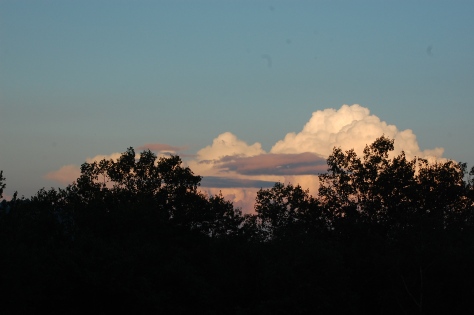
The clouds. Photograph and copyright by Barbara Mattio 2015

The clouds. Photograph and copyright by Barbara Mattio 2015


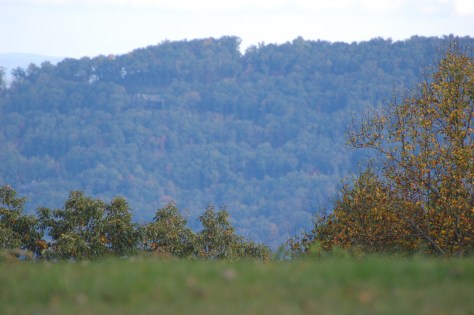
There are always more mountains no matter what direction you look. Photograph and copyright by Barbara Mattio 2015

There are always more mountains no matter what direction you look. Photograph and copyright by Barbara Mattio 2015


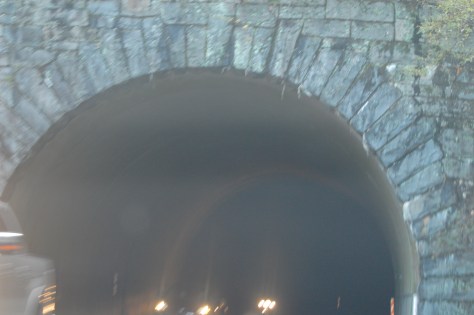
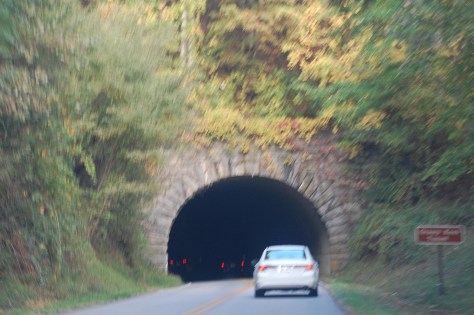
There are many tunnels going through the mountains. Photograph and copyright by Barbara Mattio 2015

There are many tunnels going through the mountains. Photograph and copyright by Barbara Mattio 2015


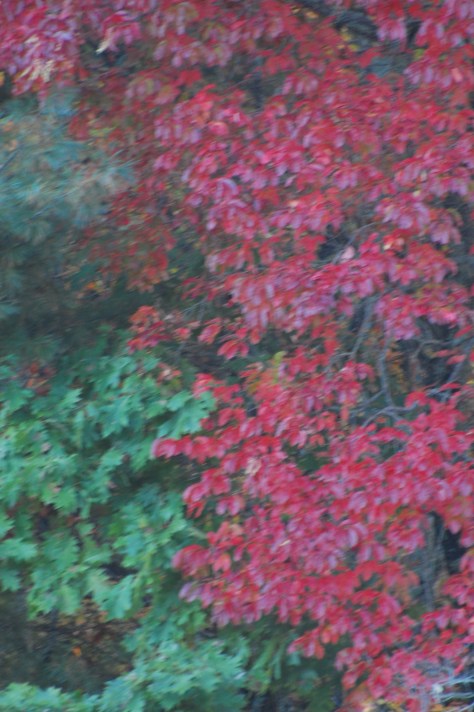
Red my favorite color. Photograph and copyright by Barbara Mattio 2015

Red my favorite color. Photograph and copyright by Barbara Mattio 2015


Sometimes no words are necessary. Photograph and copyright by Barbara Mattio 2015

Sometimes no words are necessary. Photograph and copyright by Barbara Mattio 2015


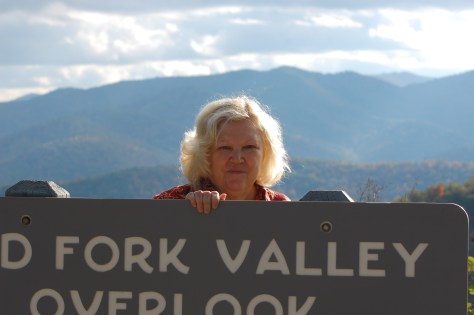
Bad Fork Overlook. Photograph and copyright by Amy Halperin 2015

Bad Fork Overlook. Photograph and copyright by Amy Halperin 2015


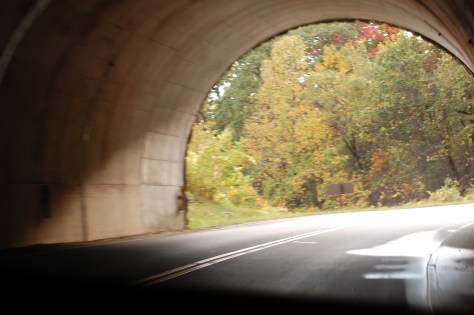
Coming out of a tunnel. Photograph and copyright by Barbara Mattio 2015

Coming out of a tunnel. Photograph and copyright by Barbara Mattio 2015


The higher elevation you are at, the more colors you see. Photograph and copyright by Barbara Mattio 2015

The higher elevation you are at, the more colors you see. Photograph and copyright by Barbara Mattio 2015


The joy of color. Photograph and copyright by Barbara Mattio 2015

The joy of color. Photograph and copyright by Barbara Mattio 2015


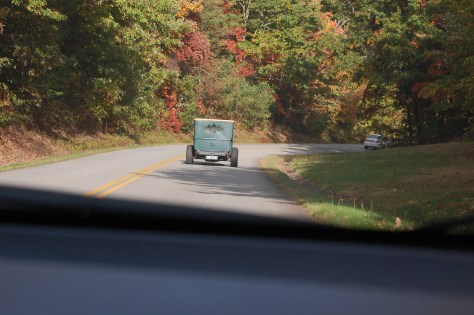
Antique truck out for a ride. Photograph and copyright by Barbara Mattio 2015

Antique truck out for a ride. Photograph and copyright by Barbara Mattio 2015


A beautiful colorful day. Photograph and copyright by Barbara Mattio 2015

A beautiful colorful day. Photograph and copyright by Barbara Mattio 2015


I love the tunnels and there are many. Photograph and copyright by Barbara Mattio 2015

I love the tunnels and there are many. Photograph and copyright by Barbara Mattio 2015


The River. Photograph and copyright by Barbara Mattio 2015

The River. Photograph and copyright by Barbara Mattio 2015

Farmwife


Farmwife

The woman who has nodded to me from her porch

for weeks, still nodes now, bobs her head

leading me inside to see

21 grandchildren posed on a shelf,

sills full of colored glass.


Twice, I heard, she left her husband

and then returned


He stays outside with the dogs,

hollering them away from the barn.


Chickens flutter and squall,

leaving patches of brown feathers.


She says she’s been nodding 26 years.

The doctor calls it ‘the trembles’

but she knows something sharper

is pecking her brain.


Twice his fists have hit,

knocked her against the wall.

Twice she’s returned


to faces of grandchildren

perfectly still in the tilt

of their frames, glass

shining on every sill,


to hens squawking themselves into trees

whenever a dog comes near.

She sweeps up the puddles

of brown and white feathers

that fear send flying,


pours them into ticking

to cushion her relentless,

affirming head.

–Betsy Sholl


bjwordpressdivider


Arden, North Carolina. Photograph and copyright by Barbara Mattio 2015

Arden, North Carolina. Photograph and copyright by Barbara Mattio 2015

But he only…


It’s hard when sheltered little girls start to grow up and get interested in boys, and boys return the interest.  You only want to really talk about positive things with your daughter, because she’s your little girl and you cannot imagine adult types of things happening to her.

Then it’s time for the first date, and she’s excited and going on and on about how good looking he is, and how sweet he was when he asked her out, and you’re thinking “Good.  Because that’s what my daughter deserves.”  Not that you’ve told her that.  She should know that.

She goes out on the date and he’s a perfect gentleman, and everything is storybook.  She’s so happy she’s giggling as she goes about the house, talking on her cell phone to her girlfriends.

After about a month of dating, he asks her to go with him to a dance.  She’s very excited and “I can have a new dress, right?  Can I have a new dress?  Can we go shopping, Mom, please?”  And of course, the answer is Yes.

You go shopping with her, and you find the perfect dress: it covers in all the right places; it’s something your own mother would have approved of for you, and she looks beautiful in it.  So, you figure, that everything is fine.

The night of the dance, he picks her up wearing a tux, has a corsage for her and promises you and your husband that he will have her home promptly at midnight.

You’re confident in him, because he’s never broken a curfew in the month that they’ve been dating.

He returns her home at 12:05, but that’s hardly worth mentioning.  She comes in and she’s happy, she says she’s happy and says she’s tired and wants to go to bed.  You wish her a good night’s sleep and off she goes.

In the morning, when she awakens, she calls her girlfriends, and tells them that he pushed her last night.  He got upset because, while he was getting punch for her, a boy from her Chemistry class came over and was talking to her about the last lab they’d had, and how crazy their teacher is.  She was laughing with the boy, because she agreed.  Her boyfriend, as he was walking back to her with the punch in hand, saw her laughing and talking with this other boy.  The lab partner excused himself and walked away when her boyfriend returned.

Her boyfriend asked: “Who was that?  What did he want?”

She replied: “Oh, nothing we were just talking about Chemistry.”

He accused: “You were laughing.  Looked like you were having a good time.”

She told him it was no big deal, and then his face darkened and he pushed her.

She didn’t fall to the floor or anything, but she felt scared.  He had never been anything but gentle with her, until last night.

Another phone call comes in to her cell phone; it’s her boyfriend, she has to talk to him.

He’s sorry.  He shouldn’t have pushed her.  He wants to make it up to her by taking her to the movies tonight.

She says, yes, and gets ready.

You notice that she’s all bubbly and happy again, and wonder what the dark cloud had been that you’d noticed earlier, while your daughter was on the phone to her friends.  Maybe it was just those teenage hormones.

You don’t ask.

She goes to the movies and they have a wonderful time.

About a week goes by, and she’s walking down the hall in school, with a bunch of her classmates — boys and girls.  One of the boys is her Chemistry lab partner.  Her boyfriend is looking for her, and he sees her having fun with all of these people, and with that one boy from the dance, laughing and talking with her.

He can’t see anything else but the just the two of them.  Laughing.  Together.  Very together.

He walks up and grabs her and drags her away from everyone else.  He’s holding her arm so tightly, as he pulls her to her locker to talk, that he leaves bruises.

“You’re hurting me!  Stop!”

He begins to rant.  He accuses her of cheating on him with her lab partner.

She’s confused; her lab partner is just a friend, she doesn’t know why he’s upset.  And he’s hurting her.  She tries to pull away.

His hand reaches back and slaps her face, and calls her a whore.

Nothing like this has ever happened to her before.  She doesn’t know what to think or what to do.

She tells him to leave her alone, and she stalks off to class with her arm hurting and her face red, still feeling the handprint.

During class, she’s distracted, thinking about what happened.  How could this have happened to her?  Why would he do this? He’s always been so gentle, so charming.

And she thinks, she must have done something wrong.  He said she had, she shouldn’t have been talking to those kids, that boy.  She didn’t mean to be doing anything wrong.  But that’s what upset him, so she must have been doing something wrong.  Right?

Over the next few weeks, she pulls away from her friends, gradually and steadily.  Her grades go down a little bit, but not enough for her teachers to worry, to call her parents.

You don’t know.

Then, it’s spring.  She comes down for breakfast with a turtleneck on.  It’s a beautiful, warm spring day.  You ask her why the turtleneck?  It’s a beautiful morning!

“I’m cold,” you’re told, tersely.

She’s running late, she doesn’t want to talk, and she hurries out the door before you can ask anything more.

She’s running from herself, but you don’t know that.  She’s running from a situation that she just can’t understand.  She’s afraid, and you can almost see that, but you can’t understand why.

What you don’t know is, the night before, on their last date, her loving boyfriend tried to choke her.  The turtleneck is covering the bruises on her neck.  She knows you would never allow her go see him again if you knew.

But he loves her.  He told her he did; well, after he choked her.

And she loves him.  Well, usually.

She wants to ask one of her old girlfriends if this had ever happened to them.  But it was embarrassing.  What if it hadn’t happened to them?  What if they thought it was her fault, if they knew she did something wrong?

She can’t talk to you.  You’ve never talked about anything like this.  You’d never understand.

She decides to just keep the information to herself.

Six more months go by.  He asks her to go steady. She eagerly says yes, but there’s a little voice inside that’s saying, “Run.  Run.”

He tells her that now, she will be His.  And no one can every interfere with them.  He’ll take care of her, she won’t need anyone else, because she has him.

Several more months pass.  They have a horrific argument and your little girl comes home.

Her face looks like pulp.  He punched her this time, and she cannot hide this from you.

He had the right to do it, he said, because she belongs to him.  They were going steady, after all.

You see her.  “What happened?” you ask, and for the first time in months, she tells the truth.

But she still thinks it’s her fault.  He always says she’s stupid and ungrateful and a burden to him, and she’s lucky he loves her at all.

But he does love her.  He says.  Between the punches.

“Do you love him, this boy?” you ask.

“I..I think so,” she says, and she starts to cry.  “I don’t know,” she admits and you hold her.

“Mom, I’m scared.”

And your heart breaks.

This young girl has found herself in a spot many young girls find themselves in.  They think that abuse is only broken bones or going to the hospital.  That’s never happened to her.  He only pushes.  Only shoves.  Only yells. He’s only REALLY hit her once.

What these girls don’t understand is that a slap, a push, a shove, twisting her arm, punching her face; belittling and calling her names; separating her from her friends — isolating, it’s called — it’s all abuse, battering.

They don’t understand that they are in danger, and this one person is the person they should be terrified of, and should get away from.

Hopefully, after talking to a counselor with or without her parents, and dating some other young men who treat her with the respect to which all young women are entitled, she will learn that she did not deserve the violence her now ex-boyfriend introduced to her life.

Hopefully, in the future, the men that she picks will not be abusers, and she will not spend years of her life living in violence in fear.

But  you could have helped, long before it started.  You could have talked to your daughter, let her know with words and actions that she IS special, and worthy of love.  You could have told her that no one ever has the right to push her, or shove her or call her names, and if they do, she should always come to you.  That you will always be there, and you will always listen, and that you would never think…

She deserved it.

Because she never could.

Because NO ONE ever deserves to abused.

Artists4Peace

bjwordpressdivider

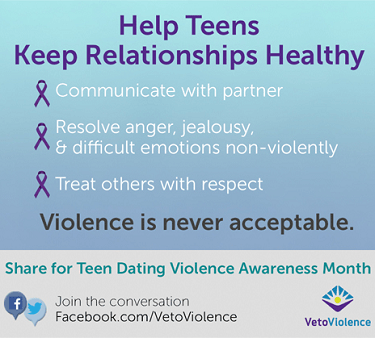
Graphic_CDC-Help-teens-keep-relationships-healthy_2015

Logo_LoveIsNotAbuse

Why Don’t Women Leave?


bjwordpressdivider


domesticviolence_logo


leaving the abuser

leaving the abuser